Introduction
As the demand for effective and skin-friendly insect repellent ingredients continues to grow, Picaridin has emerged as a preferred choice for many formulators and brands worldwide. Known for its strong mosquito-repellent performance and favorable safety profile, Picaridin is widely used in personal care, outdoor protection, and public health applications.
Compared with traditional repellents such as DEET, Picaridin offers several formulation advantages, including a mild odor, non-greasy skin feel, and good material compatibility. These characteristics make it especially suitable for modern consumer products that prioritize comfort, safety, and long-lasting protection.
In this article, we will provide a comprehensive overview of what Picaridin is, its key advantages, mosquito-repellent effectiveness, safety considerations, and major application areas. As a professional chemical supplier, Autech Industry aims to support businesses with reliable Picaridin solutions that meet regulatory and performance requirements across global markets.
What Is Picaridin?
Picaridin is a synthetic insect repellent ingredient widely used as a modern alternative to traditional mosquito repellents such as DEET, offering high efficacy with a more pleasant user experience. It is usually supplied as a mixture of stereoisomers for use as an active repellent ingredient in personal care and public‑health formulations.
Chemical name and basic properties
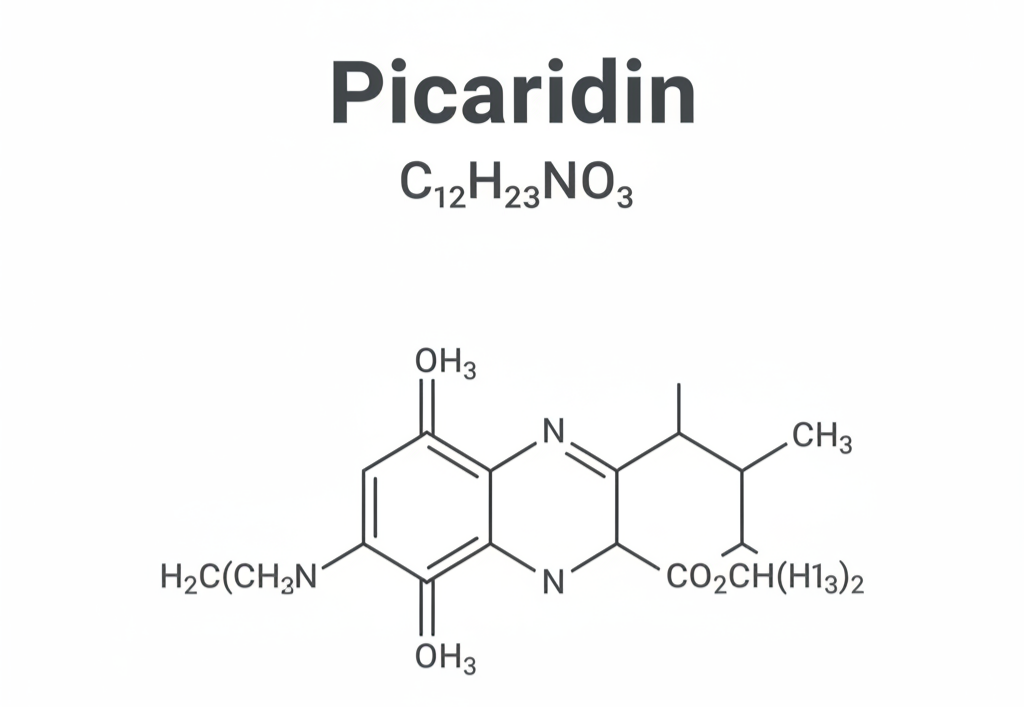
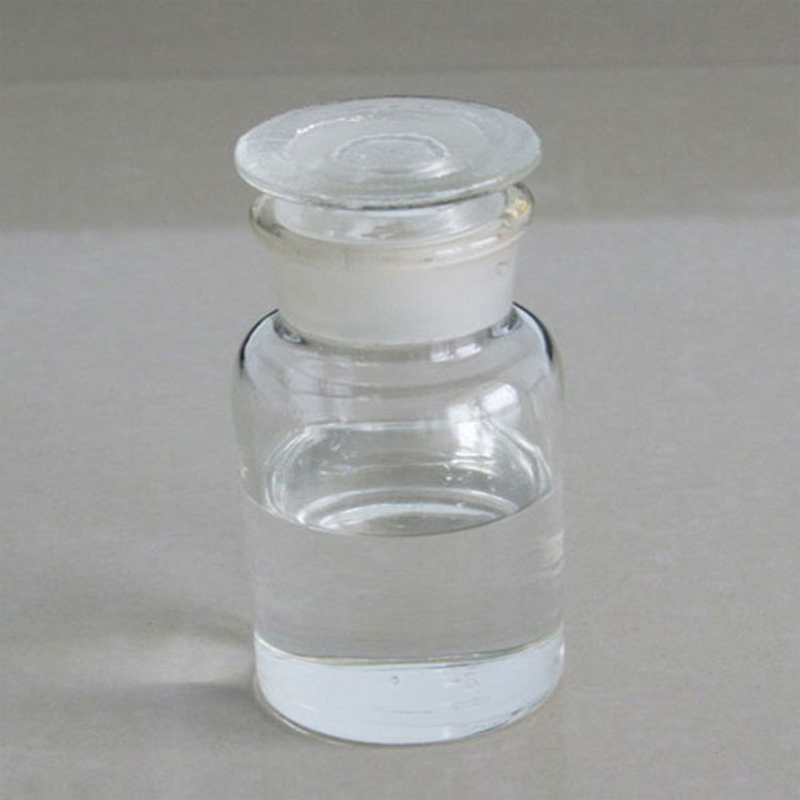
From a chemical perspective, Picaridin (also called icaridin or KBR 3023) belongs to the piperidine family, structurally related to compounds found in black pepper plants, and is formally described by names such as sec‑butyl 2‑(2‑hydroxyethyl)piperidine‑1‑carboxylate. The molecular formula is C₁₂H₂₃NO₃, and the CAS number is 119515-38-7. It has a molecular weight of about 229.32 g/mol. It appears as an almost odorless, colorless liquid with high purity grades available for industrial use as a Picaridin chemical in insect repellent manufacturing.
In terms of physical behavior, Picaridin shows good stability under normal storage conditions, low volatility compared with some older actives, and is compatible with many cosmetic and household formulation systems, making it suitable as a Picaridin insect repellent ingredient in sprays, lotions, and other topical products. Its low odor and non‑greasy feel on skin are key reasons why many brands position Picaridin formulations as more user‑friendly synthetic mosquito repellent options compared with certain legacy actives.
Origin and development background
Picaridin was first developed in Europe in the 1980s by Bayer as a new synthetic mosquito repellent inspired by natural compounds in Piper (pepper) plants, with the goal of offering an alternative to DEET that combined strong protection with better cosmetic properties. It entered the European market in the late 1990s under trade names such as Autan and has since been adopted in many regions worldwide as a frontline active in consumer and professional insect repellent products.
Over time, regulatory approvals in major markets and positive performance evaluations by consumer and public‑health organizations have helped establish Picaridin as one of the leading modern Picaridin insect repellent ingredients for both personal and public‑health applications.
Mechanism of action as a synthetic mosquito repellent
Picaridin works primarily by interfering with the odor‑sensing systems of mosquitoes and other biting insects, making humans and animals less detectable rather than killing the insects directly. Research shows that Picaridin can bind to odorant‑binding proteins in mosquitoes such as Anopheles gambiae OBP1, blocking or altering the reception of host‑seeking cues like carbon dioxide and skin odors, which leads to reduced landing and biting.
Because of this mode of action, Picaridin is classified as a repellent rather than an insecticide and is designed to be applied on skin, clothing or equipment surfaces to create a protective “odor shield.” This mechanism supports broad‑spectrum repellency against mosquitoes, ticks, and other biting arthropods and is compatible with integrated vector management strategies where repellents and insecticides are used together.
Comparison with DEET and IR3535
Compared with DEET (N, N‑diethyl‑meta‑toluamide), Picaridin generally offers similar or sometimes better mosquito‑repellent performance at comparable active concentrations while providing a more pleasant sensory profile, including low odor, less greasy feel, and minimal irritation potential. Unlike DEET, Picaridin does not significantly damage plastics, synthetic fibers, or coatings, which is a practical advantage for outdoor gear, uniforms, equipment,t and electronic devices that may be exposed to repellent sprays.
Relative to IR3535 (ethyl butylacetylaminopropionate), Picaridin is often reported to provide longer‑lasting protection at equivalent concentrations, especially against certain mosquito and tick species, making it attractive for long‑duration outdoor activities and high‑risk environments. In many regulatory and expert reviews, Picaridin, DEET, and IR3535 are all regarded as effective modern actives, but Picaridin is frequently highlighted as a balanced choice combining strong efficacy, a favorable safety profile, and high formulation flexibility for manufacturers and brand owners.
Advantages of Picaridin
Comfortable, non-greasy user experience
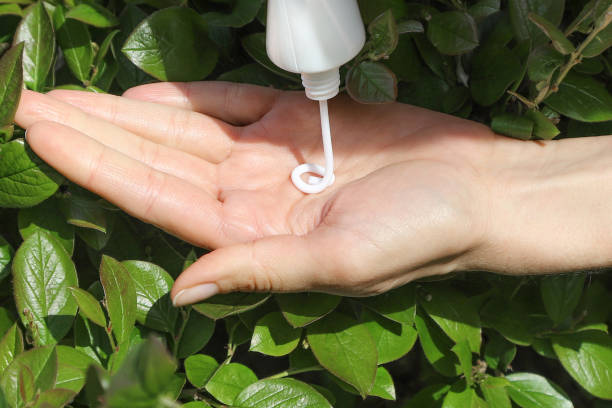
Picaridin is generally described as low‑odor or nearly odorless, helping avoid the strong chemical smell that many users associate with classic insect repellents.
It typically provides a light, non‑greasy skin feel, which supports comfortable daily use and makes it attractive for non-greasy insect repellent sprays, lotions and gels in higher‑end personal care lines.
Gentle on materials
Unlike DEET, which is known to soften or damage some plastics, synthetic fibers, watchbands, and coatings, Picaridin is far less likely to attack these materials when used as directed.
This material compatibility makes Picaridin particularly suitable for outdoor gear, uniforms, sports wear,r and coated equipment, reducing the risk of surface damage during routine use.
Lower irritation potential and suitability for premium formulas
Toxicological and usage data suggest that Picaridin has a relatively low potential for skin and eye irritation when used according to directions, with most reported effects being mild and reversible.
Because of this favorable tolerability profile and pleasant sensorial characteristics, formulators often select Picaridin for high‑end or family‑oriented insect repellent products where gentle skin feel is a priority (always subject to local regulatory guidance, especially for young children).
Good stability and versatile dosage forms
Picaridin shows good chemical stability under normal storage and use conditions, which supports consistent performance over the product’s shelf life.
Its compatibility with common solvent and emulsifier systems allows it to be formulated into multiple dosage forms such as sprays, lotions, creams, gels and wipes, giving brands flexibility to design differentiated product portfolios.
High international acceptance as a DEET alternative
Over the past two decades, Picaridin has been adopted in many countries as a frontline DEET alternative, with strong support from public‑health agencies and consumer organizations that recognize it as an effective and user‑friendly repellent option.
This high international acceptance, combined with its positioning as an odorless mosquito repellent and DEET alternative, makes Picaridin a strategic active for global brands and B2B buyers seeking modern, premium insect repellent solutions
Effectiveness of Picaridin as a Mosquito Repellent
Picaridin is regarded as a highly effective and long‑lasting mosquito repellent, with performance that is generally comparable to, and in some cases slightly better than, DEET at similar concentrations. Multiple laboratory and field studies show strong protection against a wide range of biting insects when Picaridin is formulated correctly and used as directed.
Broad-spectrum repellent efficacy
Picaridin provides robust repellency against mosquitoes, ticks, biting midges (no‑see‑ums), black flies, and other nuisance insects, making it suitable for both consumer and professional use. In field evaluations, Picaridin products have achieved more than 90–95% reduction in mosquito bites over several hours, including protection against important vector species of malaria and arboviruses.
Studies in tropical regions have shown that Picaridin can significantly reduce bites from multiple mosquito genera such as Aedes, Anopheles, Culex and Mansonia, which are responsible for transmitting dengue, Zika, malaria, and other vector‑borne diseases. This broad‑spectrum protection supports its positioning as a versatile mosquito repellent efficacy solution for travelers, outdoor workers, and residents in endemic areas.
Typical concentrations and protection time

Commercial Picaridin insect repellent products for skin application commonly use concentrations around 10% and 20%, tailored to different use scenarios and required protection duration. Research and expert reviews indicate that around 10% Picaridin can deliver several hours of effective protection, while 20% Picaridin formulations often extend protection to long‑lasting insect repellent performance comparable to high‑concentration DEET.
In a well‑cited field study, 10% Picaridin lotion and 20% Picaridin spray both provided high protection, with 20% Picaridin preventing about 98% of mosquito bites over a 5‑hour observation period, similar to 20% DEET. Meta‑analyses and traveler‑oriented reviews conclude that Picaridin‑based repellents generally offer protection durations similar to DEET, and that both actives can provide long periods of high‑level mosquito bite reduction when applied correctly.
Performance in challenging environments
Picaridin has been tested under real‑world tropical and subtropical conditions, including hot and humid climates with high mosquito pressure. These studies show that properly formulated Picaridin repellents maintain high efficacy over several hours without rapid decline, even in high‑temperature and high‑humidity environments typical of many malaria and dengue risk areas.
Because of its relatively low volatility and good skin adherence, Picaridin can provide stable performance in outdoor settings such as forests, wetlands, and agricultural areas, where sweat, heat, and environmental exposure can quickly reduce the efficacy of less robust actives. This stability under challenging conditions supports its use as a long‑lasting insect repellent for travelers, military personnel,l and outdoor professionals.
Picaridin vs DEET and other actives
Head‑to‑head comparisons between Picaridin and DEET generally report similar overall protection, with some studies favoring one active over the other depending on concentration and test design. For example, a Cambodian field study found that 20% Picaridin and 20% DEET both provided more than 98% protection against mosquito bites over 5 hours, while 10% Picaridin performed slightly less strongly but still maintained over 95% protection.
A broader review of multiple trials concluded that there is no consistent difference in mosquito repellent efficacy between Picaridin and DEET: in some studies Picaridin appeared to outperform DEET, in others, DEET performed better, and in several,l they were effectively equal, while both were superior to IR3535 at higher concentrations. As a result, many public‑health and consumer organizations treat Picaridin and DEET as preferred, high‑performing actives, with Picaridin often recommended when users want strong Picaridin effectiveness combined with low odor, non‑greasy feel, and better material compatibility.
Safety Profile of Picaridin
Picaridin is generally regarded as a safe and well‑tolerated insect repellent active when used according to product directions, and is widely used in family and outdoor formulations worldwide. Its safety profile covers good skin tolerability, broad regulatory acceptance, and relatively low risk to most materials and the environment under normal use.
Skin tolerability and low irritation
Picaridin shows low acute toxicity and is typically associated with only mild, reversible skin or eye irritation when misused or overused, according to toxicological evaluations and poison‑control data. In normal consumer use, adverse reactions are uncommon, which supports its positioning as a skin‑friendly mosquito repellent ingredient suitable for frequent application on exposed skin areas.
Patch‑test and post‑marketing data suggest that sensitization (allergic reaction) to Picaridin is rare compared with many other topical chemicals, although sensitive individuals should always follow label warnings and discontinue use if irritation occurs. This favorable tolerability profile is one reason why Picaridin is often selected for premium, gentle insect repellent formulations alongside moisturizers and skin‑care excipients, rather than harsh solvents.
Regulatory recognition and approvals

Picaridin is registered as an active insect repellent ingredient by major regulatory bodies, including the United States Environmental Protection Agency (EPA) and authorities in the European Union. EPA’s registration process involves reviewing toxicology, exposure, and environmental data, and Picaridin‑based products have been classified as acceptable for consumer use when applied according to label directions.
In Europe, Picaridin is evaluated under the Biocidal Products Regulation (BPR) as an active substance for insect repellents, with approved uses in skin‑applied and clothing‑applied products. This broad regulatory acceptance supports its positioning as a regulatory‑approved repellent for global brands, provided that each finished product meets local registration, labeling and safety requirements in its target market.
Use in products for children and sensitive users
Many expert and pediatric guidance documents list Picaridin, at appropriate concentrations, among the recommended active ingredients for insect repellents intended for children, alongside DEET and other established actives. Typical recommendations favor moderate concentrations (for example, around 10%) for children, always applied according to age‑specific instructions, without over‑application and avoiding the hands, eyes, and mouth.
Because of its low odor, non‑greasy feel, and relatively low irritation potential, formulators increasingly choose Picaridin as a safe insect repellent ingredient for products marketed to families, travelers,s and users with sensitive skin, while avoiding direct medical claims. Labels and marketing materials usually focus on comfort and general protection from mosquito and tick bites rather than disease‑treatment or therapeutic claims, to remain compliant with cosmetic, biocide, or pesticide regulations.
Environmental and material friendliness
Picaridin is designed as a repellent rather than an insecticide, and at typical consumer use levels it has a comparatively favorable environmental profile, though it should still be kept out of waterways and used as directed. Environmental assessments indicate low volatility and moderate biodegradability, and when products are disposed of properly (for example, not poured into surface waters), the overall ecological risk is considered manageable.
Compared with DEET, Picaridin is also relatively gentle on many materials: it does not significantly soften plastics, synthetic fibers, or painted coatings under normal conditions, which reduces the risk of damage to equipment, vehicles, and outdoor gear. This combination of material compatibility and controlled environmental impact makes Picaridin attractive for both consumer and professional formulations, where gear, uniforms, and sensitive equipment are regularly exposed to repellents.
Applications of Picaridin in Different Industries
Personal care insect repellent products
In personal care, Picaridin is widely used in skin‑applied mosquito repellent sprays, lotions, and gels designed for everyday family protection. Formulators typically combine Picaridin with moisturizers, emollients, and skin‑conditioning agents to create comfortable, non‑greasy products that fit into daily skincare routines.
Picaridin is also common in protective wet wipes and towelettes, which offer convenient, single‑use dosing for travel, children and on‑the‑go situations. These formats are popular in retail, pharmacie,s and e‑commerce channels where consumers seek portable personal care insect repellent solutions.
Outdoor and travel protection products

For outdoor and travel markets, Picaridin is incorporated into high‑performance repellents aimed at camping, hiking, fishing, hunting and tropical travel. These products often emphasize long‑lasting protection, sweat resistance and compatibility with technical clothing and gear used in harsh environments.
Travel‑focused brands frequently choose Picaridin for kits and compact sprays targeted at regions with high mosquito pressure, such as tropical and subtropical destinations. Its low odor and gear‑friendly properties make it suitable for mountaineering, backpacking and adventure tourism equipment assortments.
Public health and institutional solutions
In public health and institutional procurement, Picaridin‑based formulations are used as part of broader mosquito and vector‑control strategies for communities, workplaces and organizations. Typical customers include schools, camps, industrial sites, construction projects, plantations and other outdoor workplaces that need to protect staff or residents from biting insects.
These programs often require bulk or professional‑grade products such as high‑volume sprays, dispenser‑compatible liquids or standardized individual packs that can be distributed to large groups. Picaridin’s strong safety and efficacy profile supports its use in such settings alongside bed nets, environmental control measures and educational campaigns.
Customized B2B and industrial applications
For B2B customers, Picaridin is supplied as a technical active ingredient that can be integrated into branded formulations, OEM/ODM projects and private‑label product lines. Typical services include tailoring concentration, dosage form (spray, lotion, gel, wipe), fragrance profile, and packaging specifications to match a brand’s positioning and regulatory requirements in different markets.
Industrial and institutional clients may also use Picaridin in specialized repellent solutions for uniforms, workwear, equipment or specific work environments where frequent insect exposure is a concern. By partnering with a capable raw‑material supplier and formulator, brands can develop differentiated Picaridin applications that extend from personal care insect repellent products to broader outdoor protection and industrial repellent solutions.
Conclusion
Picaridin has become a widely recognized insect repellent ingredient due to its balanced combination of effectiveness, safety, and formulation flexibility. With proven repellency against mosquitoes and other biting insects, along with a mild sensory profile and good material compatibility, Picaridin is well suited for a broad range of modern repellent products.
From personal care and outdoor protection to public health and institutional applications, Picaridin continues to gain acceptance as a reliable alternative to traditional repellent ingredients. Its favorable safety profile and global regulatory recognition further support its use in products designed for diverse markets and end users.
As a professional chemical supplier, AUTECH INDUSTRY is committed to providing high-quality Picaridin that meets consistent quality standards. By partnering with a reliable supplier, manufacturers and formulators can confidently develop effective and compliant insect repellent solutions for today’s evolving market.